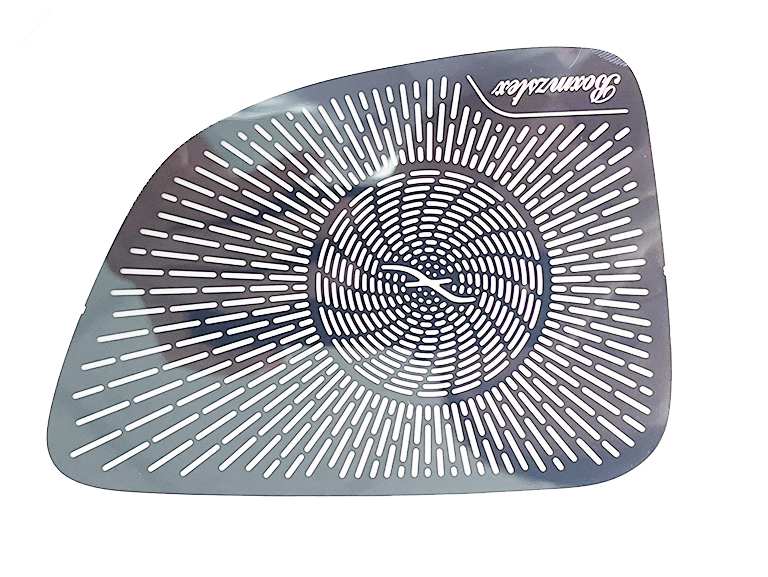
Stainless steel is a versatile and durable material widely used across industries due to its strength, corrosion resistance, and aesthetic appeal. However, when it comes to creating intricate designs, patterns, or precise components, traditional manufacturing methods such as machining or laser cutting can sometimes fall short. This is where chemical etching, also known as photochemical machining (PCM), comes into play. Chemical etching offers a precise, efficient, and cost-effective solution for working with stainless steel.
In this blog post, we’ll explore the fundamentals of chemical etching, its advantages, and common applications involving stainless steel.
What Is Chemical Etching?
Chemical etching is a subtractive manufacturing process that uses controlled chemical reactions to remove specific areas of material from a metal surface. The process involves applying a protective mask or resist to the surface of the metal, which shields certain areas from the etchant—a chemical solution designed to dissolve the exposed material. This allows for the creation of highly intricate and detailed patterns, shapes, or designs without the need for mechanical force or heat.
Stainless steel, with its excellent properties and widespread availability, is one of the most commonly etched metals in industries like aerospace, electronics, automotive, and decorative arts.
The Chemical Etching Process for Stainless Steel
The chemical etching process typically follows these key steps:
1. **Material Preparation**
The stainless steel sheet is cleaned thoroughly to remove any dirt, grease, or oxidation that could interfere with the etching process. A clean surface ensures proper adhesion of the resist material.
2. **Masking/Photoresist Application**
A light-sensitive resist material is applied to the surface of the stainless steel. This resist can be applied using various methods, such as screen printing or laminating a photoresist film. The resist acts as a barrier to protect specific areas of the metal during the etching process.
3. **Exposure and Development**
The coated metal is exposed to ultraviolet (UV) light through a photomask—a template that defines the desired pattern or design. The UV light hardens the exposed areas of the resist, while the unexposed areas remain soft and can be washed away using a developer solution. This step reveals the areas of stainless steel that will be etched.
4. **Etching**
The prepared stainless steel sheet is immersed in an etchant solution, typically ferric chloride or another chemical compound suitable for stainless steel. The etchant reacts with the exposed metal, dissolving it and creating the desired pattern or shape. The duration of this step depends on factors such as material thickness and design complexity.
5. **Resist Removal and Cleaning**
After etching is complete, the remaining resist is removed using a stripping solution. The etched stainless steel is then thoroughly cleaned to ensure no residual chemicals remain on the surface.
6. **Quality Inspection**
Finally, the etched component undergoes inspection to ensure it meets the required specifications for accuracy, depth, and design fidelity.
Benefits of Chemical Etching Stainless Steel
Chemical etching offers several advantages over traditional manufacturing techniques when working with stainless steel:
1. **High Precision and Complexity**
Chemical etching allows for the creation of highly detailed and intricate designs with tight tolerances. It is ideal for applications requiring precision features that would be difficult or impossible to achieve with mechanical methods.
2. **No Mechanical Stress**
Unlike machining or stamping, chemical etching does not subject the material to mechanical stress or heat. This ensures that the physical properties of stainless steel—such as its strength and corrosion resistance—remain intact.
3. **Scalability and Cost-Effectiveness**
Once the photomask is created, chemical etching is highly scalable and cost-effective for both small and large production runs. Since no expensive tooling is required, it’s especially advantageous for prototypes and custom designs.
4. **Versatility in Material Thickness**
Chemical etching can be used on a wide range of stainless steel thicknesses, from thin foils to thicker sheets, making it suitable for diverse applications.
5. **Burr-Free Edges**
The process produces smooth, burr-free edges without the need for additional finishing operations. This is particularly important in industries like medical devices and electronics, where precision and cleanliness are critical.
Applications of Chemical Etched Stainless Steel
The versatility of chemical etching makes it a popular choice across various industries. Here are some common applications:
1. **Electronics Industry**
In electronics manufacturing, chemical etching is used to produce precision components such as EMI/RFI shielding, lead frames, contacts, and connectors. The high accuracy of this process ensures reliable performance in sensitive electronic devices.
2. **Aerospace and Automotive Sectors**
Aerospace and automotive industries rely on etched stainless steel for lightweight yet durable components like fuel cell plates, heat exchangers, and decorative trims. The ability to create complex geometries without compromising material integrity is a significant advantage.
3. **Medical Devices**
Stainless steel is widely used in medical applications due to its biocompatibility and corrosion resistance. Chemical etching ensures that medical components like surgical instruments, implants, and diagnostic tools meet stringent quality standards.
4. **Decorative Applications**
Beyond industrial uses, chemical etching is also employed in creating decorative items such as nameplates, jewelry, watch dials, architectural panels, and artwork. The precision of this process allows for intricate designs that enhance aesthetic appeal.
5. **Filters and Screens**
Etched stainless steel is commonly used to manufacture precision filters and screens with customized patterns and hole sizes for industries like oil and gas, food processing, and water filtration.
Considerations When Etching Stainless Steel
While chemical etching offers numerous benefits, there are some important considerations to keep in mind:
Material Selection:** Different grades of stainless steel may react differently to the etchant solution. It’s essential to choose a grade that meets both functional requirements and compatibility with the etchant.
- **Environmental Impact:** Proper disposal of used etchant solutions is critical to minimize environmental impact. Many companies implement recycling systems to recover metals from spent solutions.
- **Design Limitations:** While chemical etching enables high precision, there are limitations in terms of minimum feature size and aspect ratio that should be considered during the design phase.
- **Surface Finish:** The final surface finish may vary depending on factors like resist type and exposure time. Additional finishing processes may be required for specific applications.
Conclusion
Chemical etching has revolutionized the way we work with stainless steel by enabling precise and efficient manufacturing of complex components across various industries. Its ability to produce burr-free edges, maintain material integrity, and scale production makes it an invaluable technique for both functional and decorative applications.
If you’re considering chemical etching for your next project involving stainless steel, partnering with an experienced etching service provider can help ensure optimal results tailored to your specific needs. Whether you’re designing intricate patterns for decorative purposes or fabricating high-performance components for industrial use, this innovative process can unlock new possibilities in your manufacturing endeavors.
By understanding the process and its benefits, you can confidently harness the potential of chemical etching to achieve exceptional results with stainless steel—one of the most versatile materials in modern engineering and design.
Contact: Andy_Lai
Phone: +8613144801682
E-mail: info@lasercutoem.com
Add: 208, Building B, Fushengda, No. 6, Hongkan Road, Yanchuan Community, Yanluo Street, Bao'an District, Shenzhen, China