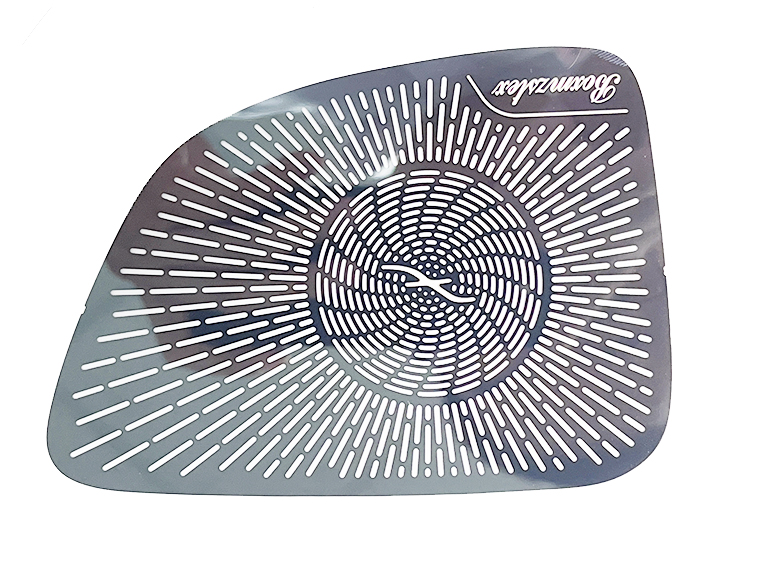
Etching stainless steel is a process used to create designs, patterns, or text on the surface of this durable and corrosion-resistant material. This technique is widely utilized in industries such as manufacturing, signage, and art. Whether you're a professional fabricator or a hobbyist, understanding the proper methods and precautions is crucial for achieving precise and high-quality results. Below, we’ll guide you through the key steps and considerations for etching stainless steel effectively.
**What is Stainless Steel Etching?**
Stainless steel etching involves selectively removing material from the surface of the steel using chemical or electrochemical processes. This controlled removal creates a visible contrast between the etched and unetched areas. The process can be used for decorative purposes, functional applications like marking parts, or creating detailed components for industrial use.
**Materials and Tools Required**
Before starting, gather the necessary tools and materials. Depending on the method you choose, you may need:
1. **Stainless Steel Sheet or Object**: Ensure the surface is clean and free of contaminants.
2. **Masking Material**: Vinyl stencils, tape, or photoresist film to protect areas you don’t want etched.
3. **Etching Solution**:
- Ferric chloride (commonly used for chemical etching).
- Saltwater solution (for electrochemical etching).
4. **Power Supply** (for electrochemical etching): A DC power supply or battery.
5. **Applicators**: Brushes, sponges, or cotton swabs for applying the etchant.
6. **Protective Gear**: Safety goggles, gloves, and a respirator to protect against fumes and chemicals.
7. **Cleaning Supplies**: Isopropyl alcohol or acetone for cleaning the surface.
8. **Neutralizing Agent**: Baking soda or a neutralizing solution to stop the etching process.
9. **Container**: A non-reactive container (e.g., plastic) for holding the etching solution.
**Step-by-Step Guide**
**1. Prepare the Stainless Steel Surface**
Before starting the etching process, ensure the stainless steel surface is clean and smooth:
- Use isopropyl alcohol or acetone to remove grease, oil, or fingerprints.
- If necessary, sand the surface lightly with fine-grit sandpaper to improve adhesion of the masking material.
**2. Apply a Masking Material**
The masking material protects areas of the stainless steel that you do not wish to etch. You can use one of the following methods:
**Vinyl Stencils**: Cut your desired pattern or design into adhesive vinyl using a cutting machine or by hand. Apply the stencil to the stainless steel surface.
**Photoresist Film**: Use a UV-sensitive photoresist film for more intricate designs. Expose the film to UV light through a printed transparency of your design, then develop it to reveal the pattern.
**Tape**: For simple designs, masking tape can be used to block off areas.
Ensure that the edges of your masking material are firmly adhered to prevent the etchant from seeping underneath.
**3. Choose Your Etching Method**
**Chemical Etching**
1. **Prepare the Etchant**: Mix ferric chloride with water according to manufacturer instructions. Always add acid to water—not the other way around—to avoid splashing.
2. **Apply the Etchant**: Carefully apply the ferric chloride solution to the exposed areas of the stainless steel using a brush or by immersing the entire piece in a container of etchant.
3. **Monitor Progress**: The etching process can take anywhere from a few minutes to an hour, depending on the depth desired. Check periodically to avoid over-etching.
4. **Rinse and Neutralize**: Once the desired depth is achieved, rinse the piece thoroughly with water and neutralize it using a baking soda solution.
**Electrochemical Etching**
1. **Prepare the Electrolyte Solution**: Dissolve salt in water to create a conductive electrolyte solution.
2. **Set Up Power Supply**: Connect the positive lead of your power supply to the stainless steel piece and the negative lead to an applicator (e.g., a cotton swab wrapped in conductive material).
3. **Apply Current**: Dip the applicator in the electrolyte solution and gently rub it over the exposed areas of your design while applying a low voltage (6–12 volts). The current will cause controlled oxidation and remove material from the exposed areas.
4. **Clean and Neutralize**: After achieving the desired effect, rinse the piece thoroughly and neutralize it with baking soda solution.
**4. Remove Masking Material**
Once etching is complete, carefully peel off the masking material without scratching the surface. If adhesive residue remains, clean it with isopropyl alcohol or acetone.
**5. Final Cleaning and Polishing**
Rinse the etched stainless steel thoroughly with water to remove any remaining chemicals. Dry it with a clean cloth and polish if necessary to enhance its appearance.
**Safety Precautions**
Etching stainless steel involves handling potentially hazardous chemicals and electrical equipment. Follow these safety guidelines:
- Always work in a well-ventilated area or under a fume hood.
- Wear appropriate personal protective equipment (PPE), including gloves, safety goggles, and a respirator if working with chemicals that emit fumes.
- Avoid direct contact with etching solutions and wash any exposed skin immediately.
- Dispose of used chemicals properly according to local regulations.
**Tips for Success**
1. **Test on Scrap Metal**: Before working on your final piece, test your technique on a scrap piece of stainless steel to refine your process.
2. **Use High-Quality Materials**: Invest in durable masking materials and reliable etching solutions for consistent results.
3. **Work Gradually**: Etch in small increments and check your progress frequently to prevent over-etching or damaging your design.
4. **Experiment with Finishes**: Combine etching with other finishing techniques like polishing or brushing for unique effects.
**Applications of Stainless Steel Etching**
Stainless steel etching has numerous applications across various industries:
- **Industrial Marking**: Serial numbers, barcodes, and logos on machinery parts.
- **Decorative Art**: Custom patterns on jewelry, home décor, and architectural elements.
- **Signage**: Durable signs for indoor and outdoor use.
- **Prototyping**: Creating intricate designs for electronics or mechanical components.
**Conclusion**
Etching stainless steel is a versatile technique that allows you to create detailed designs while maintaining the material’s strength and corrosion resistance. By following proper preparation steps, choosing the right method, and adhering to safety protocols, you can achieve professional results in your projects. Whether for artistic expression or industrial purposes, stainless steel etching offers endless possibilities for customization and innovation.
Contact: Andy_Lai
Phone: +8613144801682
E-mail: info@lasercutoem.com
Add: 208, Building B, Fushengda, No. 6, Hongkan Road, Yanchuan Community, Yanluo Street, Bao'an District, Shenzhen, China