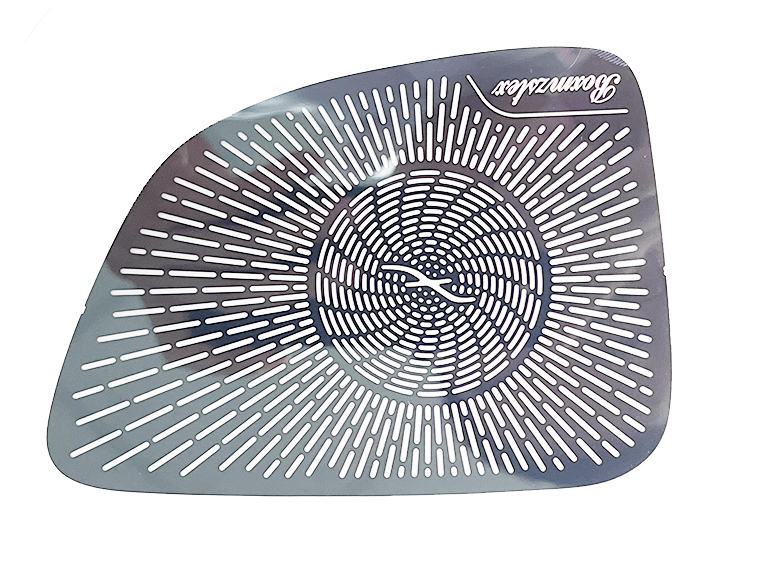
Laser etching has become an indispensable technique in modern manufacturing and design, offering unparalleled precision, durability, and versatility. Among the many materials suited for this process, stainless steel stands out as a popular choice due to its strength, corrosion resistance, and aesthetic appeal. This article explores the intricacies of laser etching stainless steel, including its advantages, applications, and key considerations.
What is Laser Etching?
Laser etching is a subset of laser marking that involves using a high-powered laser beam to create permanent marks on a material’s surface. Unlike engraving, which removes material to create a deep mark, etching alters the surface layer by melting or oxidizing it. The result is a high-contrast mark that does not compromise the structural integrity of the material. For stainless steel, this process produces crisp, durable markings that can withstand harsh environments.
Advantages of Laser Etching Stainless Steel
1. **Precision and Detail**
Laser etching allows for highly detailed and intricate designs, making it ideal for applications requiring fine text, logos, barcodes, or serial numbers. The precision of the laser ensures consistent results across multiple parts or products.
2. **Durability**
The marks created during the etching process are resistant to wear, fading, and corrosion. This makes laser-etched stainless steel suitable for applications in industries such as aerospace, medical devices, and automotive manufacturing.
3. **Non-Contact Process**
As a non-contact process, laser etching minimizes physical stress on the stainless steel surface. This ensures that the material’s structural properties remain intact while reducing the risk of damage or deformation.
4. **Versatility**
Stainless steel can be etched with a wide range of designs, including text, graphics, and patterns. Additionally, laser etching can be performed on various grades of stainless steel, making it suitable for diverse applications.
5. **Eco-Friendly Solution**
Unlike traditional marking methods that may involve chemicals or consumables, laser etching is a clean and environmentally friendly process. It generates minimal waste and does not require hazardous materials.
Applications of Laser Etched Stainless Steel
The versatility of laser-etched stainless steel makes it a preferred choice across numerous industries:
1. **Industrial Manufacturing**
In manufacturing, laser etching is used to create identification marks such as serial numbers, part numbers, and QR codes on stainless steel components. These marks are essential for traceability and quality control.
2. **Medical Devices**
Stainless steel is widely used in medical instruments due to its biocompatibility and resistance to sterilization processes. Laser etching ensures permanent markings on surgical tools, implants, and equipment without compromising their safety or functionality.
3. **Aerospace and Automotive**
Both industries rely on laser etching for marking critical components with identification codes and safety information. The durability of these marks ensures they remain legible under extreme conditions.
4. **Consumer Products**
From stainless steel water bottles to kitchen appliances, laser etching enhances product branding by adding logos or decorative designs. The high-quality finish adds a professional touch to consumer goods.
5. **Signage and Decorative Applications**
Laser-etched stainless steel is commonly used for creating durable signage or artistic pieces. The process allows for precise customization, producing visually appealing results.
Key Considerations for Laser Etching Stainless Steel
1. **Laser Parameters**
The success of the etching process depends on selecting the right laser parameters, including power, speed, frequency, and focus. These factors determine the depth and contrast of the mark. Fiber lasers are commonly used for stainless steel due to their ability to produce high-quality results with minimal heat-affected zones.
2. **Surface Preparation**
Proper preparation of the stainless steel surface is crucial for achieving optimal results. Any contaminants such as oils or dirt should be removed prior to etching to ensure consistent marking quality.
3. **Material Grade**
Different grades of stainless steel may react differently to laser etching due to variations in composition. For example, higher chromium content can affect the contrast of the etched mark. Testing on sample materials is recommended before full production.
4. **Cooling and Heat Management**
Although laser etching generates less heat than engraving, it’s important to manage heat buildup during the process to prevent discoloration or warping of the stainless steel surface.
5. **Post-Etching Treatment**
Depending on the application, post-etching treatments such as passivation may be required to maintain the corrosion resistance of stainless steel.
Conclusion
Laser etching stainless steel is a cutting-edge technique that combines precision, durability, and versatility. Its ability to produce permanent, high-contrast marks makes it an invaluable tool in industries ranging from manufacturing and aerospace to consumer goods and medical devices. By understanding the key considerations and leveraging advanced laser technology, businesses can achieve superior results while maintaining the integrity and aesthetic appeal of stainless steel components.
As technology continues to evolve, laser etching is likely to play an even greater role in shaping the future of manufacturing and design. Whether for functional markings or decorative purposes, this process offers an efficient and reliable solution for working with one of the most robust and versatile materials available today.
Contact: Andy_Lai
Phone: +8613144801682
E-mail: info@lasercutoem.com
Add: 208, Building B, Fushengda, No. 6, Hongkan Road, Yanchuan Community, Yanluo Street, Bao'an District, Shenzhen, China