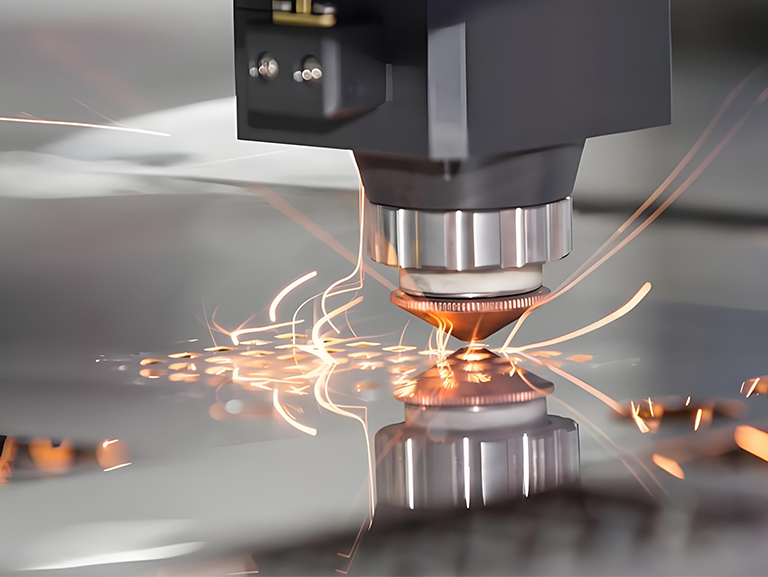
Electrical chemical etching (ECE) is a specialized form of chemical etching that utilizes electrical energy to enhance the etching process. This technique combines the principles of electrochemical reactions and traditional chemical etching, resulting in improved precision, control, and efficiency. ECE is particularly valuable in industries such as electronics, aerospace, and automotive, where intricate designs and high-quality finishes are essential.
Table of Contents
1. **Introduction to Electrical Chemical Etching**
2. **Principles of Electrical Chemical Etching**
3. **The ECE Process**
- 3.1. Equipment and Materials
- 3.2. Step-by-Step Process
4. **Applications of Electrical Chemical Etching**
5. **Advantages and Disadvantages**
6. **Safety Considerations**
7. **Future Trends in Electrical Chemical Etching**
8. **Conclusion**
1. Introduction to Electrical Chemical Etching
Electrical chemical etching is a process that employs an electrical current to facilitate the removal of material from a metal surface. Unlike traditional chemical etching, which relies solely on corrosive chemicals, ECE enhances the etching rate and precision by applying an electrical potential. This method allows for the creation of complex geometries and fine details that are often required in high-tech applications.
2. Principles of Electrical Chemical Etching
The fundamental principle behind electrical chemical etching involves the electrochemical reaction that occurs at the metal surface when an electrical current is applied. The process can be described in the following key points:
- **Electrolysis**: The metal workpiece acts as the anode in an electrolytic cell. When an electrical current passes through the electrolyte solution, metal ions are oxidized at the anode, leading to material removal.
- **Controlled Etching**: By adjusting the electrical parameters (voltage, current density), manufacturers can control the etching rate and depth, allowing for precise machining of intricate designs.
- **Electrolyte Composition**: The choice of electrolyte solution significantly affects the etching process. Common electrolytes include acidic or alkaline solutions that can vary based on the metal being etched.
3. The ECE Process
3.1. Equipment and Materials
The equipment used in electrical chemical etching typically includes:
- **Power Supply**: Provides a controlled electrical current to the system.
- **Electrolytic Cell**: Contains the electrolyte solution and the workpiece.
- **Anode and Cathode**: The workpiece serves as the anode, while a separate electrode acts as the cathode.
- **Control System**: Monitors and adjusts the electrical parameters during the etching process.
Common materials used in ECE include:
- **Metals**: Copper, aluminum, stainless steel, and other conductive materials.
- **Electrolytes**: Solutions like sodium chloride, sulfuric acid, or proprietary mixtures tailored for specific metals.
3.2. Step-by-Step Process
The electrical chemical etching process generally follows these steps:
1. **Preparation of the Workpiece**: The metal surface must be cleaned to remove any contaminants that could impede the etching process. This may involve degreasing and rinsing.
2. **Masking**: Areas that should not be etched are protected using a resist material. This can be a photoresist, vinyl, or other masking agents that adhere well to the metal surface.
3. **Setup of the Electrolytic Cell**: The workpiece is placed in the electrolytic cell, and the electrolyte solution is added. The anode (workpiece) and cathode are connected to the power supply.
4. **Application of Electrical Current**: The power supply is activated, and the electrical current is applied. The current density and voltage are carefully controlled to achieve the desired etching rate.
5. **Monitoring the Process**: Throughout the etching process, parameters such as temperature, current density, and etching time are monitored to ensure consistent results.
6. **Completion and Rinsing**: Once the desired depth and pattern are achieved, the electrical current is turned off. The workpiece is removed from the electrolyte and rinsed thoroughly to remove any residual chemicals.
7. **Mask Removal**: The resist material is stripped away, revealing the etched design.
4. Applications of Electrical Chemical Etching
Electrical chemical etching is utilized in various industries for numerous applications, including:
- **Printed Circuit Boards (PCBs)**: ECE is extensively used in the manufacturing of PCBs, where precise etching of copper layers is critical for functionality.
- **Aerospace Components**: The aerospace industry benefits from ECE for producing lightweight and complex components that require high precision and reliability.
- **Medical Devices**: ECE is used to create intricate parts for medical instruments, ensuring high standards of cleanliness and precision.
- **Decorative Metalwork**: Artists and designers employ ECE to produce detailed patterns and designs on metal surfaces for jewelry and decorative items.
5. Advantages and Disadvantages
Advantages
- **High Precision**: ECE allows for the production of intricate designs with tight tolerances.
- **Material Efficiency**: The process minimizes waste, making it more environmentally friendly compared to traditional machining.
- **Versatility**: ECE can be applied to a wide range of metals and alloys.
- **Controlled Etching Depth**: The ability to adjust electrical parameters enables precise control over the depth of etching.
Disadvantages
- **Equipment Costs**: Initial setup costs for ECE equipment can be high.
- **Chemical Handling**: The use of corrosive electrolytes requires careful handling and disposal.
- **Limited to Conductive Materials**: ECE can only be used on conductive metals, limiting its application range.
6. Safety Considerations
Safety is a critical aspect of electrical chemical etching. Key safety measures include:
- **Personal Protective Equipment (PPE)**: Operators should wear gloves, goggles, and protective clothing to prevent exposure to chemicals and electrical hazards.
- **Ventilation**: Adequate ventilation is essential to avoid inhalation of fumes from the electrolyte solution.
- **Chemical Storage**: Proper storage and labeling of chemicals are crucial to prevent accidents and ensure safe handling.
7. Future Trends in Electrical Chemical Etching
The future of electrical chemical etching is promising, with several trends emerging:
- **Automation and Control**: Advances in automation technology will lead to more precise control over the etching process, reducing human error and increasing efficiency.
- **Sustainable Practices**: The development of eco-friendly electrolytes and waste recycling methods will enhance the sustainability of ECE processes.
- **Integration with Other Technologies**: Combining ECE with additive manufacturing and other machining techniques may lead to innovative hybrid processes.
8. Conclusion
Electrical chemical etching is a powerful technique that offers precision, efficiency, and versatility in metal processing. Its applications span various industries, making it a vital technology in modern manufacturing. By understanding the principles, processes, and safety considerations associated with ECE, manufacturers can leverage this technique to meet the demands of high-tech applications and create intricate designs with minimal waste. As technology continues to advance, the potential for electrical chemical etching will only grow, paving the way for new innovations and applications in the future.
This comprehensive overview of electrical chemical etching provides insights into its principles, processes, applications, and future trends. For further exploration, consider investigating specific case studies or advancements in ECE technologies that showcase its impact on various industries.
Contact: Andy_Lai
Phone: +8613144801682
E-mail: info@lasercutoem.com
Add: 208, Building B, Fushengda, No. 6, Hongkan Road, Yanchuan Community, Yanluo Street, Bao'an District, Shenzhen, China