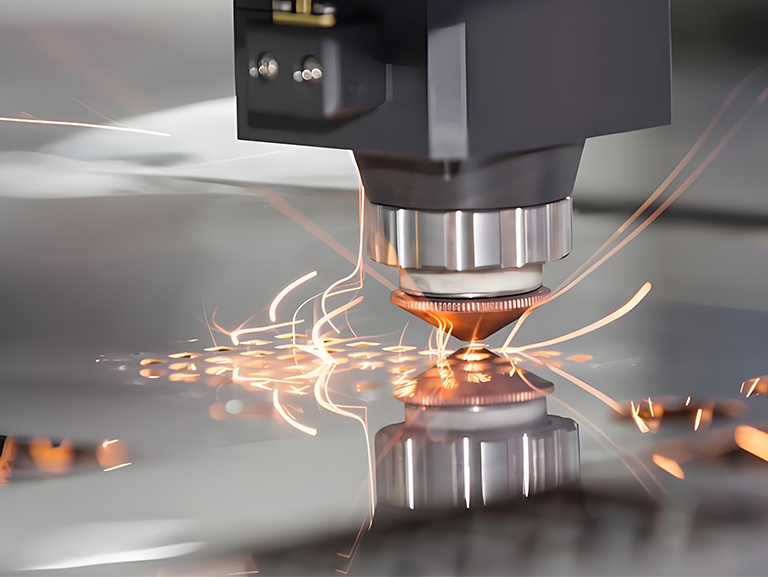
Chemical etching, also known as chemical milling or photochemical machining, is a manufacturing process used to remove material from the surface of metals through the application of corrosive chemicals. This technique is widely utilized in various industries, including electronics, aerospace, automotive, and decorative arts, due to its ability to produce intricate designs with high precision and minimal material waste.
Table of Contents
1. **Introduction to Chemical Etching**
2. **History of Chemical Etching**
3. **The Chemical Etching Process**
- 3.1. Materials Used
- 3.2. Steps in the Process
4. **Applications of Chemical Etching**
5. **Advantages and Disadvantages**
6. **Safety Considerations**
7. **Conclusion**
1. Introduction to Chemical Etching
Chemical etching involves the selective removal of material from a metal substrate using chemical reactions. This process allows for the creation of fine details and complex shapes that are difficult to achieve through traditional machining methods. The versatility of chemical etching makes it suitable for various applications, from producing circuit boards to creating decorative metalwork.
2. History of Chemical Etching
The origins of chemical etching can be traced back to the early 19th century when artists began using acid to create designs on metal plates. This technique was primarily used in printmaking. Over time, the industrial sector adopted chemical etching for more practical applications, particularly in the production of electronic components and intricate mechanical parts.
3. The Chemical Etching Process
3.1. Materials Used
The materials involved in the chemical etching process include:
- **Metals**: Commonly etched metals include copper, brass, aluminum, stainless steel, and nickel.
- **Etching Solutions**: These are corrosive chemicals that react with the metal. Common etchants include ferric chloride, nitric acid, and ammonium persulfate.
- **Resist Materials**: These are coatings applied to the metal surface to protect areas that should not be etched. Common resist materials include photoresist, vinyl, and wax.
3.2. Steps in the Process
The chemical etching process typically involves several key steps:
1. **Cleaning the Metal Surface**: The metal substrate must be thoroughly cleaned to remove any contaminants that could affect the etching process.
2. **Applying the Resist**: A resist material is applied to the metal surface. This can be done using various methods, such as spraying, painting, or using a photoresist that is exposed to UV light.
3. **Exposure (for Photoresist)**: If a photoresist is used, the coated metal is exposed to ultraviolet light through a mask that contains the desired pattern.
4. **Developing the Resist**: The exposed resist is developed, removing the unexposed areas and leaving a protective layer over the areas to remain unetched.
5. **Etching**: The metal is immersed in the etching solution. The exposed areas react with the etchant, removing material and creating the desired design.
6. **Rinsing and Neutralization**: After etching, the metal is rinsed with water to remove any residual etchant and then neutralized to stop the chemical reaction.
7. **Removing the Resist**: The remaining resist material is removed, revealing the final etched design.
4. Applications of Chemical Etching
Chemical etching has a wide range of applications, including:
- **Electronics**: Used to create printed circuit boards (PCBs) and other electronic components.
- **Aerospace**: Employed in the production of lightweight components that require precise specifications.
- **Automotive**: Used for manufacturing parts such as fuel injectors and sensors.
- **Decorative Arts**: Applied in jewelry making, signage, and architectural elements to create intricate designs.
5. Advantages and Disadvantages
Advantages
- **Precision**: Chemical etching can produce highly detailed and intricate designs.
- **Material Efficiency**: Minimal waste is generated compared to traditional machining methods.
- **Versatility**: Suitable for a variety of metals and applications.
- **Low Tooling Costs**: No need for expensive tooling, making it cost-effective for small runs.
Disadvantages
- **Chemical Hazards**: The use of corrosive chemicals poses safety risks.
- **Limited Depth Control**: The depth of etching is often limited compared to mechanical processes.
- **Surface Finish**: The finish may require additional processing to achieve desired smoothness.
6. Safety Considerations
When performing chemical etching, safety is paramount. Key safety considerations include:
- **Personal Protective Equipment (PPE)**: Always wear appropriate PPE, including gloves, goggles, and aprons.
- **Ventilation**: Ensure proper ventilation in the workspace to avoid inhalation of harmful fumes.
- **Chemical Handling**: Follow all safety guidelines for handling and disposing of chemicals.
7. Conclusion
Chemical etching is a versatile and efficient method for creating detailed metal designs. Its applications span various industries, making it an essential technique in modern manufacturing. By understanding the process, materials, and safety considerations, manufacturers can effectively utilize chemical etching to meet their production needs.
This overview provides a comprehensive understanding of chemical etching, its history, process, applications, and safety considerations. For further exploration, consider delving into specific case studies or advancements in chemical etching technologies.
Contact: Andy_Lai
Phone: +8613144801682
E-mail: info@lasercutoem.com
Add: 208, Building B, Fushengda, No. 6, Hongkan Road, Yanchuan Community, Yanluo Street, Bao'an District, Shenzhen, China