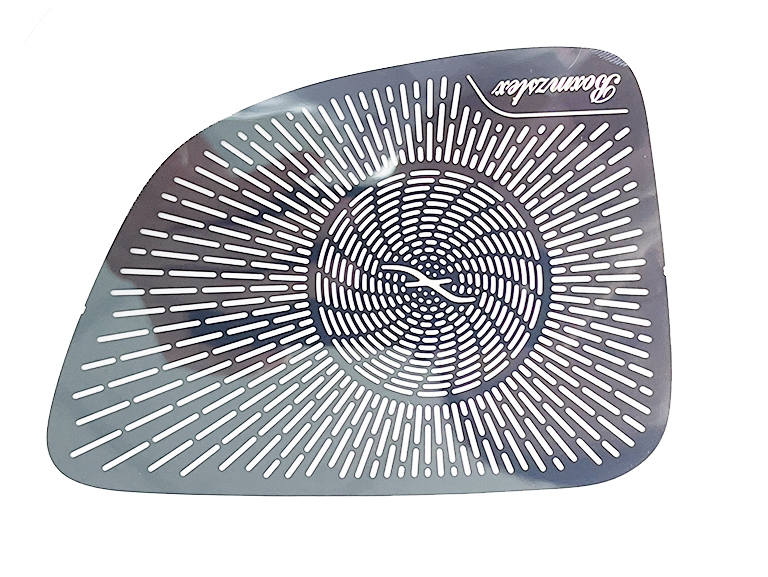
Metal etching is a fascinating and versatile process that has been utilized for centuries to create intricate designs, functional components, and decorative finishes. Among the many materials used in etching, stainless steel stands out for its durability, corrosion resistance, and aesthetic appeal. Whether you're working in industrial manufacturing, custom design, or artistic applications, understanding the nuances of metal etching on stainless steel is essential for achieving precise and high-quality results.
In this blog post, we'll explore the process of stainless steel etching, its applications, benefits, and the techniques involved. Whether you're a professional in the industry or simply curious about this craft, this guide will provide valuable insights into working with this remarkable material.
**What is Stainless Steel Etching?**
Stainless steel etching is a subtractive manufacturing process that uses chemical or physical methods to remove layers of material from the surface of stainless steel. This process creates patterns, textures, or specific features on the metal's surface. Unlike engraving or other mechanical methods, etching allows for highly detailed and intricate designs that are difficult to achieve through traditional techniques.
The process typically involves using an etchant—a chemical solution designed to react with the stainless steel surface selectively. By applying a resist material to protect certain areas of the metal, the exposed regions are etched away, leaving behind the desired design or texture.
**Applications of Stainless Steel Etching**
Stainless steel etching is widely used across various industries due to its precision and versatility. Here are some common applications:
1. **Industrial Components**: Etching is used to create precision parts for industries such as aerospace, automotive, and electronics. Components like filters, screens, and gaskets are often made using this technique.
2. **Decorative Finishes**: The process is popular in architecture and interior design for creating decorative panels, signage, and custom artwork. The ability to produce intricate patterns makes it ideal for aesthetic applications.
3. **Medical Devices**: Stainless steel etching is used in manufacturing medical instruments and implants due to the material's biocompatibility and corrosion resistance.
4. **Electronics**: In the electronics industry, etched stainless steel is used for producing components like lead frames and circuit boards.
5. **Branding and Marking**: Logos, serial numbers, and other identifying marks can be etched onto stainless steel products for branding or traceability purposes.
**Benefits of Stainless Steel Etching**
The popularity of stainless steel etching stems from its numerous advantages:
- **Precision**: Etching allows for extremely fine details and complex geometries that would be challenging with other methods.
- **Material Integrity**: Unlike mechanical processes, etching does not involve significant heat or physical force, preserving the structural integrity of the stainless steel.
- **Corrosion Resistance**: Since stainless steel is inherently resistant to corrosion, etched components maintain their durability even in harsh environments.
- **Versatility**: The process can be applied to various grades of stainless steel and tailored to specific design requirements.
- **Cost-Effectiveness**: For large-scale production or intricate designs, chemical etching can be more economical than machining or laser cutting.
**Techniques for Stainless Steel Etching**
There are several methods used to etch stainless steel, each with its own advantages depending on the application:
1. **Chemical Etching**:
Chemical etching involves applying an acid-based solution (commonly ferric chloride or nitric acid) to the surface of the stainless steel. A resist material—such as a photoresist or vinyl stencil—is applied beforehand to protect areas that should remain unetched. This method is widely used for its precision and ability to handle complex designs.
2. **Electrochemical Etching**:
This technique uses an electrolyte solution and an electrical current to etch the surface of stainless steel. It is particularly effective for marking logos, serial numbers, or text on metal surfaces.
3. **Laser Etching**:
Laser etching employs a high-powered laser beam to vaporize material from the surface of the stainless steel. While technically different from chemical etching, it achieves similar results and is often used for marking applications due to its speed and precision.
4. **Masking and Sandblasting**:
In this method, a protective mask is applied to the stainless steel surface before using abrasive materials to etch away unprotected areas. This technique is commonly used for creating textured finishes or decorative patterns.
**Steps Involved in Chemical Etching**
To better understand how stainless steel etching works, let’s break down the typical steps involved in chemical etching:
1. **Preparation**:
The stainless steel surface is cleaned thoroughly to remove any dirt, grease, or contaminants that could interfere with the etching process.
2. **Application of Resist**:
A resist material is applied to the areas of the metal that should remain unetched. This can be done using a stencil, photoresist coating, or screen printing.
3. **Etching**:
The prepared metal is exposed to an etchant solution. The chemical reaction between the solution and the exposed areas of stainless steel removes material in a controlled manner.
4. **Rinsing and Neutralizing**:
After achieving the desired depth of etch, the metal is rinsed thoroughly to stop the reaction and neutralize any remaining chemicals.
5. **Finishing**:
The resist material is removed, and additional finishing processes—such as polishing or passivation—may be applied to enhance the appearance or performance of the etched component.
**Considerations for Stainless Steel Etching**
When working with stainless steel etching, there are several factors to keep in mind:
- **Grade of Stainless Steel**: Different grades of stainless steel (e.g., 304, 316) have varying levels of corrosion resistance and etchability. Choosing the right grade for your application is crucial.
- **Safety Precautions**: Chemical etchants can be hazardous if not handled properly. Always follow safety guidelines and use protective equipment.
- **Design Tolerances**: Ensure that your design accounts for the tolerances achievable with your chosen etching method.
- **Environmental Impact**: Proper disposal of chemical waste is essential to minimize environmental impact. Many companies invest in eco-friendly practices to handle byproducts responsibly.
**Conclusion**
Stainless steel etching is an invaluable process that combines precision, durability, and versatility. Whether you're creating industrial components or decorative designs, mastering this technique can open up countless possibilities for innovation and creativity.
By understanding the methods, applications, and best practices outlined in this guide, you can achieve exceptional results while maintaining the integrity and beauty of stainless steel. Whether you're a seasoned professional or exploring this craft for the first time, stainless steel etching offers a world of potential limited only by your imagination.
Contact: Andy_Lai
Phone: +8613144801682
E-mail: info@lasercutoem.com
Add: 208, Building B, Fushengda, No. 6, Hongkan Road, Yanchuan Community, Yanluo Street, Bao'an District, Shenzhen, China