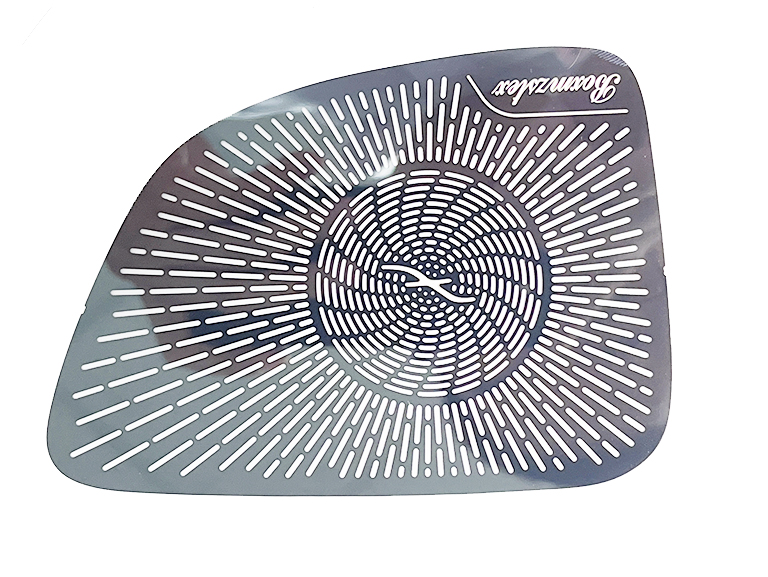
Stainless steel is a durable and versatile material, widely used in industries ranging from construction to kitchenware. Its resistance to corrosion, sleek appearance, and strength make it highly desirable. However, there are times when you may want to add a customized design, label, or texture to stainless steel. This is where etching comes into play.
Etching stainless steel involves using chemical or mechanical processes to create patterns, text, or images on its surface. This technique is commonly used for industrial labeling, decorative purposes, or even artistic projects. Below, we’ll explore the process of etching stainless steel in a professional and safe manner.
**What You’ll Need: Tools and Materials**
Before you begin the etching process, it’s essential to gather the right tools and materials. Here’s a list of what you’ll need:
1. **Stainless Steel Surface**: Choose a clean and smooth piece of stainless steel for your project.
2. **Stencil or Design Template**: Use vinyl stencils, adhesive tape, or a laser-cut design to create your pattern.
3. **Etching Solution**:
- Ferric chloride is commonly used for chemical etching.
- Alternatively, you can use a saltwater solution for an electro-etching method.
4. **Protective Gear**:
- Safety goggles
- Rubber gloves
- Apron
5. **Cleaning Supplies**:
- Isopropyl alcohol or acetone
- Clean cloth or paper towels
6. **Etching Tools** (depending on the method):
- For chemical etching: A plastic container and applicator brush
- For electro-etching: A power source (DC power supply or 9V battery), electrodes, and cotton swabs
7. **Masking Tape**: To protect areas of the stainless steel you don’t want etched.
8. **Water and Neutralizing Solution**: To rinse and neutralize the acid after etching.
9. **Fine Sandpaper or Scotch-Brite Pads**: For finishing touches.
**Step-by-Step Process for Etching Stainless Steel**
**Step 1: Prepare the Surface**
Before starting the etching process, ensure the stainless steel surface is clean and free of oils, dirt, or debris. Use isopropyl alcohol or acetone with a clean cloth to wipe down the surface thoroughly. A clean surface is crucial for achieving a sharp and precise etch.
**Step 2: Apply Your Design**
Once the surface is clean, apply your stencil or design template onto the stainless steel. You can use vinyl stencils for intricate designs or masking tape for simpler patterns. Ensure that the stencil adheres firmly to the metal to prevent the etching solution from seeping underneath.
**Step 3: Protect Unwanted Areas**
Use masking tape or additional vinyl to cover any areas of the stainless steel that you do not want to be etched. This will help ensure that only the exposed areas are affected by the etching process.
**Step 4: Choose Your Etching Method**
There are two primary methods for etching stainless steel: chemical etching and electro-etching. Each method has its benefits depending on your project’s requirements.
**Chemical Etching Method**
1. **Prepare the Etching Solution**: Ferric chloride is a commonly used chemical for etching stainless steel. It is available at most hardware stores or online. Always handle this chemical with care, as it is corrosive.
2. **Apply the Solution**: Using a plastic brush or applicator, carefully apply the ferric chloride solution to the exposed areas of your stainless steel surface.
3. **Wait for the Reaction**: Allow the solution to sit on the surface for 10–30 minutes, depending on the depth of etch you desire. Check periodically to ensure even etching.
4. **Rinse and Neutralize**: Once the desired depth is achieved, rinse the stainless steel thoroughly with water to remove any remaining ferric chloride. Neutralize the surface with a baking soda solution to stop the chemical reaction.
5. **Remove Stencil**: Carefully peel off the stencil and any masking tape.
**Electro-Etching Method**
1. **Prepare the Saltwater Solution**: Mix water with table salt (about one tablespoon per cup of water) until it dissolves completely.
2. **Set Up the Power Source**: Connect one lead of your DC power supply or battery to the stainless steel piece (this will act as the cathode). Attach the other lead to a cotton swab wrapped in conductive material (this will act as the anode).
3. **Apply Voltage**: Dip the cotton swab into the saltwater solution and gently rub it over the exposed areas of your design while applying voltage. The electrochemical reaction will begin to etch the metal.
4. **Monitor Progress**: Check periodically to ensure even etching across your design.
5. **Rinse and Clean**: Once finished, rinse the stainless steel thoroughly with water and neutralize with baking soda if necessary.
**Step 5: Finishing Touches**
After completing the etching process, inspect your work for any imperfections or residue. Use fine sandpaper or Scotch-Brite pads to smooth out edges and remove any unwanted marks around your design.
Finally, clean the entire surface again with isopropyl alcohol or acetone to give it a polished and professional finish.
**Safety Precautions**
Etching stainless steel involves handling chemicals and electrical equipment, so safety should always be your top priority:
- Work in a well-ventilated area to avoid inhaling fumes from chemicals.
- Wear appropriate protective gear, including gloves, goggles, and an apron.
- Keep all chemicals out of reach of children and pets.
- Dispose of used chemicals responsibly according to local regulations.
**Applications of Etched Stainless Steel**
Etched stainless steel has a wide range of applications across various industries:
- **Industrial Use**: Custom labels, serial numbers, and barcodes for machinery and equipment.
- **Decorative Use**: Art pieces, jewelry, signage, and architectural details.
- **Home Use**: Personalized kitchenware such as engraved cutlery or cookware.
**Conclusion**
Etching stainless steel is a valuable skill that allows you to customize this durable material for both functional and aesthetic purposes. Whether you choose chemical etching or electro-etching, following proper techniques and safety measures will ensure professional-quality results.
Remember that practice makes perfect—if you’re new to etching, start with small test pieces before moving on to larger projects. With patience and attention to detail, you can create stunning designs that enhance the beauty and functionality of stainless steel surfaces. Happy etching!
Contact: Andy_Lai
Phone: +8613144801682
E-mail: info@lasercutoem.com
Add: 208, Building B, Fushengda, No. 6, Hongkan Road, Yanchuan Community, Yanluo Street, Bao'an District, Shenzhen, China