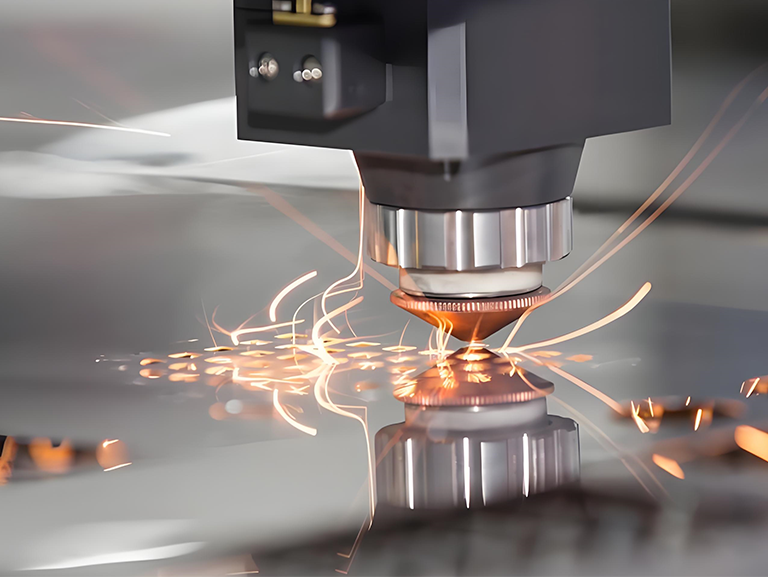
Sheet metal laser cutting is a widely utilized manufacturing process that employs high-powered lasers to cut and shape sheet metal into desired forms and designs. This method is favored for its precision, efficiency, and versatility, making it an essential technique in various industries, including automotive, aerospace, electronics, and construction. This guide explores the fundamentals of sheet metal laser cutting, its advantages, applications, and key considerations for businesses and individuals seeking laser cutting services.
Table of Contents
1. **Introduction to Sheet Metal Laser Cutting**
2. **How Sheet Metal Laser Cutting Works**
- 2.1. Types of Lasers Used
- 2.2. The Cutting Process
3. **Advantages of Sheet Metal Laser Cutting**
4. **Applications of Sheet Metal Laser Cutting**
5. **Choosing a Sheet Metal Laser Cutting Service**
- 5.1. Factors to Consider
- 5.2. Finding Services Near You
6. **Future Trends in Sheet Metal Laser Cutting**
7. **Conclusion**
1. Introduction to Sheet Metal Laser Cutting
Sheet metal laser cutting is a process that uses a focused laser beam to melt, burn, or vaporize material from a sheet of metal, creating precise cuts and intricate designs. The technology has evolved significantly over the years, allowing for high-speed cutting with minimal material waste. Common metals used in laser cutting include steel, aluminum, brass, and copper, each offering unique properties that can be exploited in various applications.
The versatility of sheet metal laser cutting makes it suitable for both small-scale projects and large-scale industrial applications. Whether creating custom parts for machinery or intricate designs for decorative purposes, laser cutting provides an efficient solution.
2. How Sheet Metal Laser Cutting Works
2.1. Types of Lasers Used
Several types of lasers are commonly utilized in sheet metal cutting, each with distinct characteristics:
- **CO2 Lasers**: These lasers are widely used for cutting non-metal materials and can also handle thin sheets of metal. CO2 lasers are known for their high power and ability to cut thicker materials, making them suitable for various applications.
- **Fiber Lasers**: Fiber lasers are increasingly popular in the sheet metal industry due to their efficiency and ability to cut reflective materials like aluminum and copper. They offer faster cutting speeds and better energy efficiency compared to CO2 lasers, making them ideal for high-volume production.
- **Nd:YAG Lasers**: Neodymium-doped yttrium aluminum garnet (Nd:YAG) lasers are utilized for precision cutting and are effective for small and intricate designs. These lasers are often employed in specialized applications where high precision is required.
2.2. The Cutting Process
The sheet metal laser cutting process typically involves several key steps:
1. **Design Creation**: The first step is to create a digital design using computer-aided design (CAD) software. This design serves as the blueprint for the cutting process.
2. **Material Preparation**: The sheet metal is prepared by cleaning it to remove any contaminants that could interfere with the cutting process. Proper material handling is essential to ensure the quality of the final product.
3. **Laser Cutting**: The laser cutting machine is set up, and the sheet metal is positioned on the cutting bed. The laser beam is directed onto the metal surface, where it melts or vaporizes the material along the designated path. The cutting head moves according to the programmed design, allowing for intricate shapes to be cut.
4. **Cooling and Finishing**: After cutting, the metal piece may be cooled and subjected to finishing processes, such as deburring or surface treatment, to enhance its appearance and functionality.
3. Advantages of Sheet Metal Laser Cutting
Sheet metal laser cutting offers numerous advantages over traditional cutting methods:
- **High Precision**: Laser cutting provides exceptional accuracy, allowing for tight tolerances and intricate designs that are difficult to achieve with conventional methods.
- **Minimal Material Waste**: The focused laser beam results in narrow kerf widths, minimizing waste and maximizing material utilization. This efficiency is particularly beneficial in industries where material costs are a significant factor.
- **Versatility**: Laser cutting can be applied to a wide range of metals and thicknesses, making it suitable for various applications, from simple cuts to complex shapes.
- **Speed**: Laser cutting is a fast process, enabling high production rates and quick turnaround times. This speed is especially advantageous for businesses that require rapid prototyping or large production runs.
- **Automation**: The process can be easily automated, reducing labor costs and increasing overall efficiency. Automated systems can operate continuously, further enhancing productivity.
4. Applications of Sheet Metal Laser Cutting
Sheet metal laser cutting is employed in numerous industries for a variety of applications, including:
- **Manufacturing**: Used for producing components and parts for machinery, vehicles, and appliances, laser cutting ensures high precision and quality.
- **Aerospace**: The aerospace industry relies on laser cutting for creating lightweight and complex parts that meet stringent safety and performance standards. The ability to cut intricate designs is crucial in this sector.
- **Automotive**: Laser cutting is essential in the automotive industry for manufacturing parts such as chassis components, brackets, and decorative elements. The precision of laser cutting contributes to the overall quality and performance of vehicles.
- **Construction**: In the construction industry, laser cutting is used for fabricating structural components, metal frames, and architectural features. The ability to cut large sheets of metal quickly and accurately is invaluable in this field.
- **Art and Design**: Artists and designers use laser cutting to create intricate sculptures, signage, and decorative pieces. The technology allows for high levels of creativity and customization.
5. Choosing a Sheet Metal Laser Cutting Service
When looking for a sheet metal laser cutting service, consider the following factors:
5.1. Factors to Consider
- **Experience and Expertise**: Look for a service provider with a proven track record in sheet metal laser cutting. Experience in your specific industry can be beneficial.
- **Technology and Equipment**: Ensure that the company uses modern laser cutting technology and equipment to achieve high-quality results. Advanced machinery can significantly impact the precision and efficiency of the cutting process.
- **Materials and Capabilities**: Verify the types of metals they can cut and the thicknesses they can handle. Some services may specialize in certain materials, so it’s important to find a provider that meets your specific needs.
- **Turnaround Time**: Inquire about the expected turnaround time for your project. Timely delivery is crucial for many manufacturing processes, so choose a provider that can meet your deadlines.
- **Cost**: Obtain quotes from multiple providers to compare pricing. Keep in mind that the cheapest option may not always provide the best quality. It’s essential to balance cost with the quality of service.
5.2. Finding Services Near You
To find sheet metal laser cutting services near you, consider the following approaches:
- **Online Search**: Use search engines to find local metal fabrication shops that offer laser cutting services. Keywords like "sheet metal laser cutting near me" can yield helpful results.
- **Industry Directories**: Websites like ThomasNet and Maker’s Row list manufacturers and service providers by category and location. These directories can help you find reputable providers in your area.
- **Networking**: Reach out to industry contacts, attend trade shows, or join local business groups to get recommendations for reputable laser cutting services. Networking can provide valuable insights and connections.
- **Social Media and Forums**: Platforms like LinkedIn and industry-specific forums can provide insights and recommendations from professionals in the field. Engaging with online communities can help you discover reliable service providers.
6. Future Trends in Sheet Metal Laser Cutting
The sheet metal laser cutting industry is continually evolving, with several trends shaping its future:
- **Increased Automation**: The integration of automation and robotics in laser cutting processes will enhance efficiency and reduce labor costs. Automated systems can operate continuously, further improving productivity.
- **Advanced Materials**: As new materials emerge, laser cutting technology will adapt to accommodate these innovations, expanding its applications. The ability to cut advanced materials will open new opportunities for manufacturers.
- **Sustainability**: The push for sustainable manufacturing practices will drive the development of eco-friendly laser cutting technologies and processes. Companies are increasingly seeking ways to reduce their environmental impact.
- **Smart Manufacturing**: The adoption of Industry 4.0 principles, including the use of IoT and data analytics, will improve the efficiency and precision of laser cutting operations. Smart manufacturing technologies can optimize production processes and enhance decision-making.
7. Conclusion
Sheet metal laser cutting is a powerful and versatile manufacturing process that offers precision, speed, and efficiency. Its applications span various industries, making it an essential technology in modern manufacturing. By understanding the principles, advantages, and considerations involved in sheet metal laser cutting, businesses can effectively leverage this technology to meet their production needs. As the industry continues to evolve, staying informed about trends and advancements will be crucial for maintaining a competitive edge.
This comprehensive overview of sheet metal laser cutting provides insights into its processes, applications, and how to find services near you. For further exploration, consider researching specific case studies or advancements in laser cutting technologies that highlight their impact on various industries.
Contact: Andy_Lai
Phone: +8613144801682
E-mail: info@lasercutoem.com
Add: 208, Building B, Fushengda, No. 6, Hongkan Road, Yanchuan Community, Yanluo Street, Bao'an District, Shenzhen, China