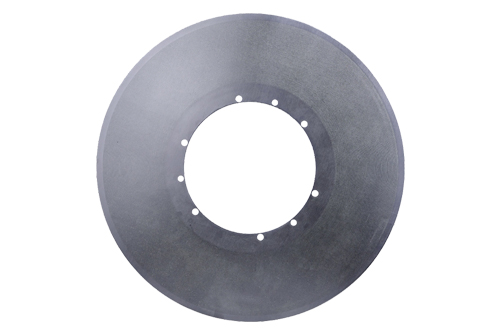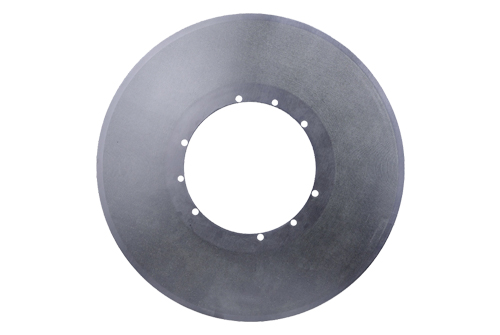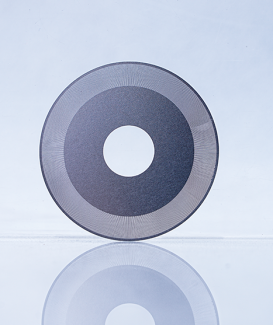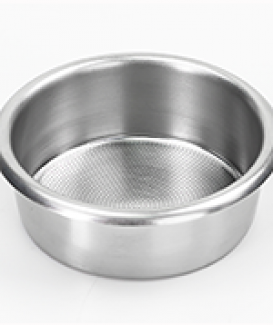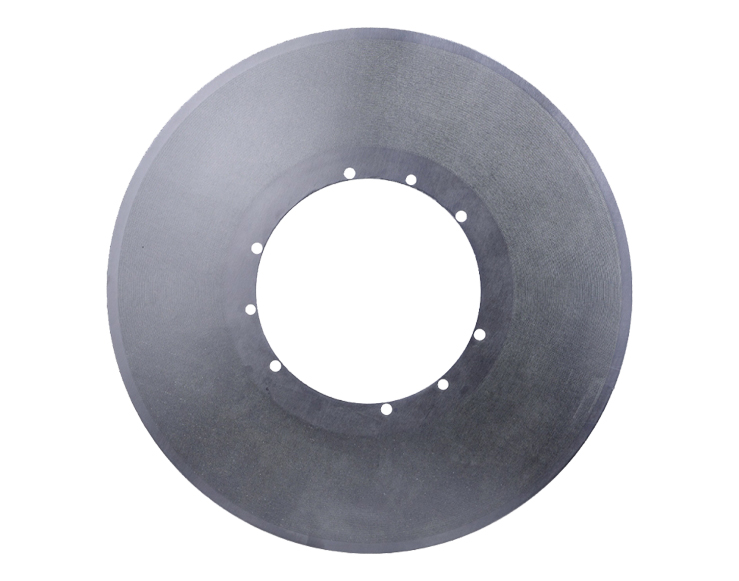
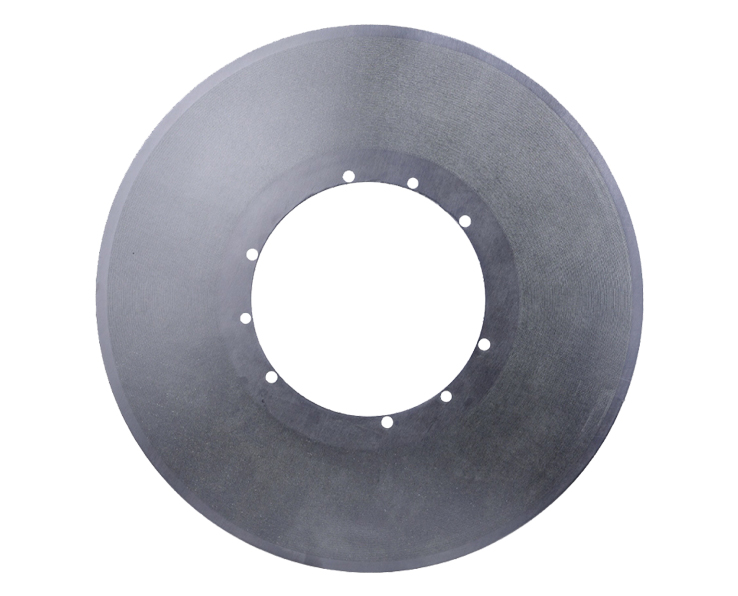
Material: SUS304
Thickness: 0.3mm
Precision Tolerance: ±0.01mm
Description:Filter basin, residue, etc.
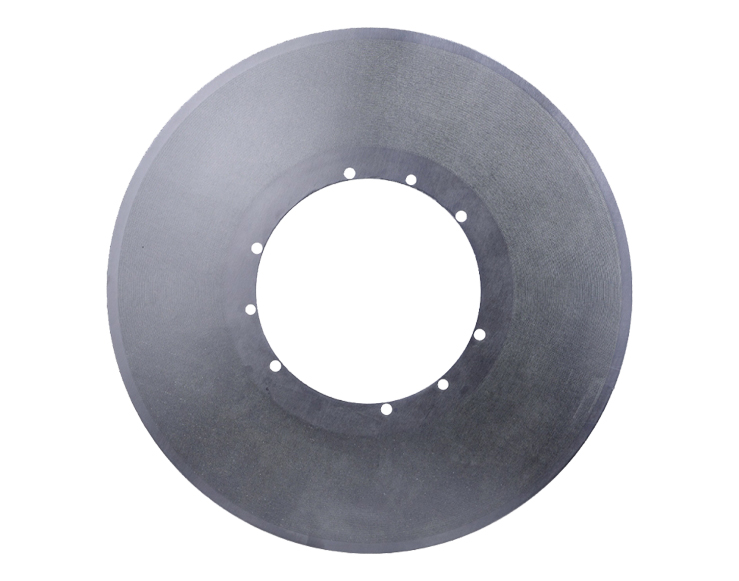
Precision micro-hole laser engraving (also known as laser micro-hole drilling or processing) is an advanced technology that utilizes high-energy-density laser beams to precisely remove material from surfaces, forming micrometer-scale holes. This process primarily employs femtosecond or picosecond ultra-short pulse lasers. The technology stands out in precision manufacturing, largely due to its unique physical characteristics.
First, its core advantages lie in high precision and minimal heat-affected zones. The laser beam can be focused to micrometer or even submicrometer spot sizes, enabling processing with hole diameters within ±5μm tolerance and aspect ratios exceeding 20:1. Compared to traditional mechanical drilling, laser processing is non-contact, avoiding mechanical stress and tool wear. It produces no burrs, minimal recast layers, and achieves surface roughness as low as Ra<0.2μm. The “cold processing” nature of femtosecond lasers (pulse width <500fs) causes material to vaporize instantly rather than melt, resulting in virtually zero heat-affected zones. This prevents cracking and deformation, making it particularly suitable for brittle materials like glass and ceramics.
Second, it offers high processing efficiency and flexibility. Laser drilling speeds reach hundreds of holes per second, supporting complex geometries (e.g., tapered holes, blind holes, through holes) and high-density arrays (e.g., 1000 holes/mm²). Unrestricted by material hardness, it processes metals, polymers, ceramics, and glass with minimal consumables, low cost, and environmental sustainability. Process environments can be optimized (e.g., auxiliary gases or liquid immersion) to further enhance hole wall smoothness and roundness.
Additionally, it offers high repeatability and automation. Combined with galvo scanning or 5-axis systems, it enables intelligent path planning, achieving hole position deviation <±3μm and yield rates exceeding 99%—far surpassing EDM or chemical etching.
In application scenarios, this technology has extensively penetrated high-end manufacturing sectors. In aerospace, it is used for micro-hole machining in engine blade cooling systems (e.g., arrays of 50-100μm diameter holes), enhancing blade heat resistance and lifespan. Traditional methods struggle with high aspect ratios, whereas laser technology easily overcomes this challenge. In medical devices, it processes cardiac stents, biodegradable magnesium alloy implants, or microneedles (e.g., apertures <50μm), ensuring biocompatibility and precise drug delivery while avoiding thermal damage that compromises material properties.
In electronics and semiconductors, it is applied to PCB/FPC micro-holes, through-via interconnections (TGV glass substrates), and 5G filters with apertures as small as 5μm, supporting high-density integration and improving signal transmission efficiency. In consumer electronics, it is used for micro-hole arrays in smartphone OLED light guide films and flexible displays, enhancing brightness uniformity up to 96%. Furthermore, in automotive fuel injectors and precision mold vent holes, it significantly enhances product performance and production efficiency.
Overall, precision micro-hole laser engraving, with its unmatched precision, efficiency, and multi-material adaptability, is driving the manufacturing industry's transition toward micro-nano scale. It will play an increasingly vital role in frontier fields such as quantum devices and bioengineering in the future. #MetalFabricationLaser #LaserCuttingTechnology #CustomMetalCutting #IndustrialLaserProcessing
Contact: Andy_Lai
Phone: +8613144801682
E-mail: info@lasercutoem.com
Add: 208, Building B, Fushengda, No. 6, Hongkan Road, Yanchuan Community, Yanluo Street, Bao'an District, Shenzhen, China